Sol LeWitt Wall Drawings & Project Consensus
Exploring the intersection of conceptual art and European research collaboration.
Wall Drawing Collection
Browse an extensive gallery of Sol LeWitt works, from Drawing 1131 to Drawing 46.
EU-Funded Research
The Consensus project was funded by the European Commission, bringing together leading researchers.
Project Team Contacts
Direct contact details for SAP AG Corporate Research personnel in Karlsruhe, Germany.
Latest from the collection
Featured Wall Drawings & Project Updates
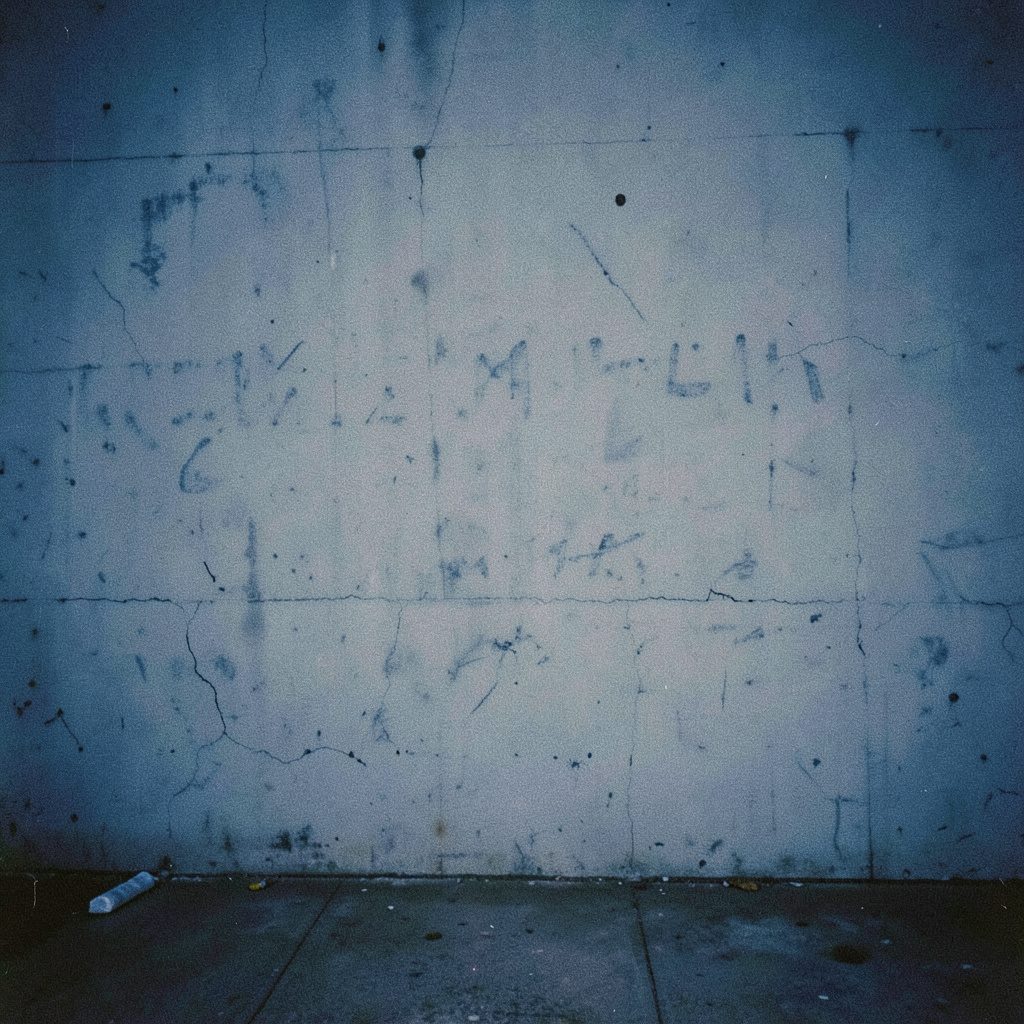
Sol LeWitt Wall Drawing 1131
A landmark work from the wall drawing series, exemplifying LeWitt's systematic approach to line, form, and spatial composition.
More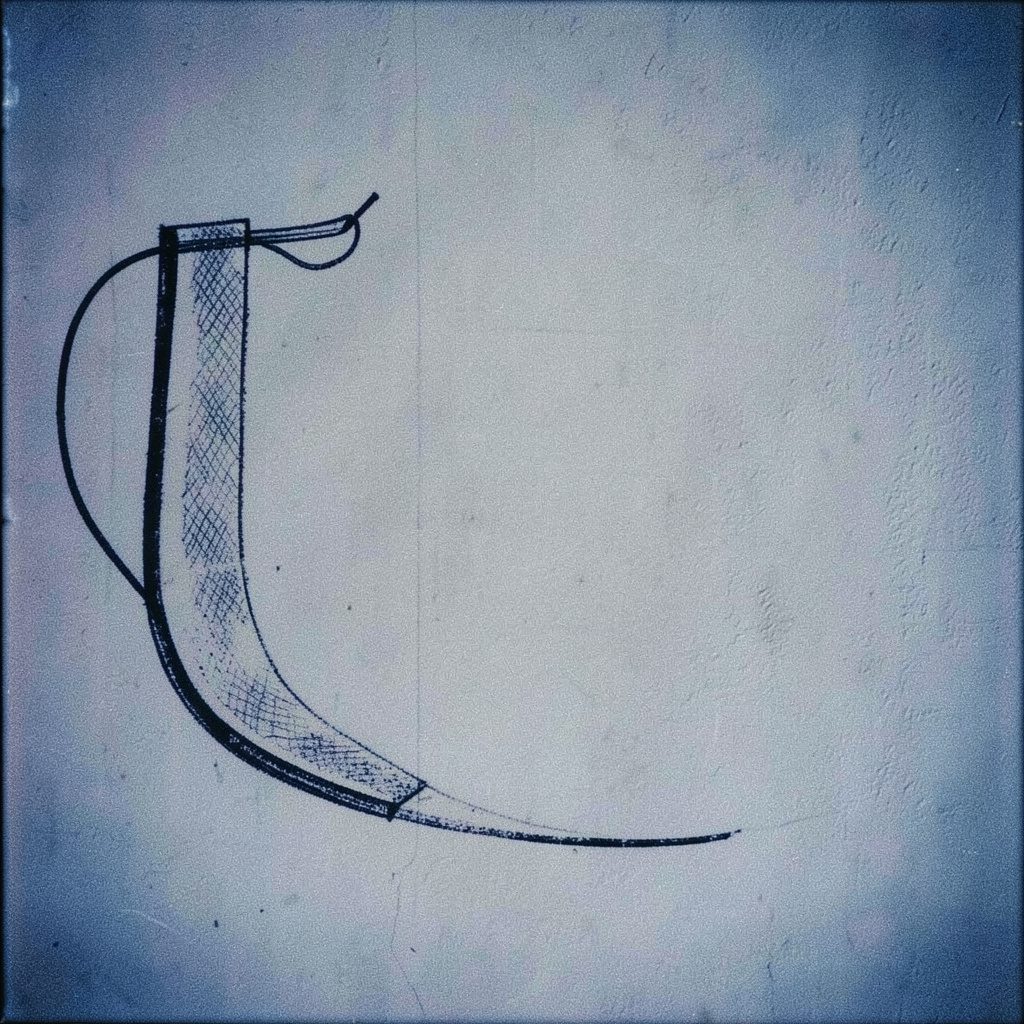
Drawing 50 & Drawing 792
Two significant works that demonstrate the evolution of LeWitt's conceptual practice across different periods.
More
The Consensus Project
Funded by the European Commission, Consensus brought together partners across Europe for collaborative research.
MoreBy the numbers
Collection & Project at a Glance
About the site
Art Meets Research
Consensus Online brings together two distinct worlds: the rigorous conceptual art of Sol LeWitt's wall drawings and the collaborative research of the European Commission-funded Consensus project. Explore the gallery of numbered works — including Drawing 1131, 50, 792, 146, 684A, 104, 654, 146A, 232, 50A, 1113, and 46 — alongside project documentation and team contact information.
Explore the collectionThe relationship between conceptual art and collaborative research reveals unexpected parallels in how ideas are structured, documented, and shared across disciplines. Sol LeWitt’s wall drawings, executed from written instructions by teams rather than the artist’s own hand, mirror the way distributed research groups operate under shared protocols and common objectives. Both domains depend on clear communication, precise documentation, and trust in the interpretive capabilities of collaborators who may never meet face to face. The underlying principle is that the concept holds primacy over any single execution, allowing the work to exist in multiple locations simultaneously while retaining its essential identity and intellectual coherence.
European research funding has long supported initiatives that bridge gaps between seemingly unrelated fields, encouraging cross-pollination of methods and perspectives. When a project brings together specialists from different countries and institutional backgrounds, the resulting exchange often generates insights that no single discipline could produce independently. The administrative and technical infrastructure required to coordinate such efforts is substantial, yet the rewards extend beyond immediate deliverables. Shared frameworks for data management, communication protocols, and quality assurance become valuable outputs in their own right, shaping how future collaborations are designed and executed across the broader research landscape.
Documentation plays a central role in preserving and transmitting conceptual work across time and geography. For wall drawings, detailed diagrams and written specifications serve as the permanent record, enabling faithful reinstallation decades later by teams who never met the originating artist. This approach to knowledge transfer resonates strongly with how research consortia manage their outputs, where technical reports, datasets, and methodological notes form a durable legacy that outlives the funding period. The careful stewardship of such materials ensures that intellectual contributions remain accessible and actionable for future practitioners, regardless of the original creators’ continued involvement.
The visual language of a well-designed digital archive must balance clarity with depth, offering intuitive navigation while supporting serious scholarly engagement. Large-format photography captures the physical presence of installed works, conveying scale and spatial relationships that written descriptions cannot fully express. Monochrome treatments in gallery sections can shift attention toward form and composition, stripping away the distraction of color to reveal underlying structural patterns. Thoughtful interface design ensures that users move seamlessly between overview and detail, never losing their place within a complex body of material that spans multiple decades and geographic locations.
Collaboration across national and institutional boundaries introduces both opportunities and challenges that shape the character of any large-scale research initiative. Differences in working culture, regulatory environments, and academic traditions must be acknowledged and navigated with sensitivity. When managed well, these differences become sources of strength rather than friction, exposing assumptions that might otherwise go unexamined. Regular communication, transparent decision-making processes, and clearly defined roles help maintain momentum through the inevitable complexities of multi-partner projects. The administrative layer, though often invisible in final outputs, is essential to the cohesion and ultimate success of the collective endeavor.
The notion of instruction-based creation challenges conventional assumptions about authorship and originality. When an artist devises a system that others execute, the resulting works exist in a space between individual expression and collective production. Each installation becomes a unique event shaped by the specific conditions of its site and the interpretive choices of the executing team, yet it remains recognizably connected to the originating concept. This distributed model of creativity anticipates many features of contemporary networked collaboration, where contributions from multiple participants coalesce around shared frameworks without requiring centralised control or physical co-location of the contributors.
Architectural context profoundly influences how large-scale drawings are experienced by viewers. A work conceived for a particular wall, ceiling, or room responds to proportions, sightlines, and ambient light in ways that cannot be replicated in reproduction. The physical encounter with the installed piece engages the body as well as the eye, inviting movement through space and rewarding sustained attention from multiple vantage points. Digital documentation can suggest these qualities but never fully replace the embodied experience of standing before the work. Nonetheless, comprehensive photographic records and detailed installation notes provide essential reference points for study and future reinstallation.
The lifecycle of a funded research project extends well beyond the formal conclusion of its active phase. Findings continue to circulate through publications, citations, and informal networks long after the final report has been submitted. Methodological innovations developed in one context often find unexpected applications in others, as researchers adapt tools and approaches to new problems. The true impact of collaborative work may not be fully apparent for years, when accumulated results inform policy decisions, inspire new lines of inquiry, or enable technological developments that the original participants could not have anticipated. Patience and long-term perspective are therefore essential to any meaningful assessment of a project’s contribution.
Connecting art historical scholarship with information management practices opens productive avenues for both fields. Cataloguing systems developed for museum collections offer models for structuring complex datasets, while digital humanities tools enable new forms of analysis that would be impractical through manual methods alone. The careful indexing of works by date, location, materials, and conceptual categories allows researchers to identify patterns and relationships that might otherwise remain obscure. Such systematic approaches to cultural heritage materials demonstrate how technical infrastructure, when thoughtfully designed and maintained, can deepen our understanding of creative practice and its historical development.