Sol LeWitt Wall Drawings
A curated collection of numbered wall drawings, paintings, and related works by Sol LeWitt and contemporaries.
12+ Numbered Works
Drawings 1131, 50, 792, 146, 684A, 104, 654, 146A, 232, 50A, 1113, and 46
Wall Paintings
Sol LeWitt wall paintings alongside modern interpretations
Jim Dine Works
Includes Jim Dine Wall Drawings 1136
Featured Drawings
Sol LeWitt's wall drawings are executed directly onto architectural surfaces, following precise instructions that allow each installation to be unique. Below are works documented in this collection.
- Wall Drawing 1131
- Wall Drawing 50
- Wall Drawing 792
- Wall Drawing 146
- Wall Drawing 684A
- Wall Drawing 104
- Wall Drawing 654
- Wall Drawing 146A
- Wall Drawing 232
- Wall Drawing 50A
- Wall Drawing 1113
- Wall Drawing 46
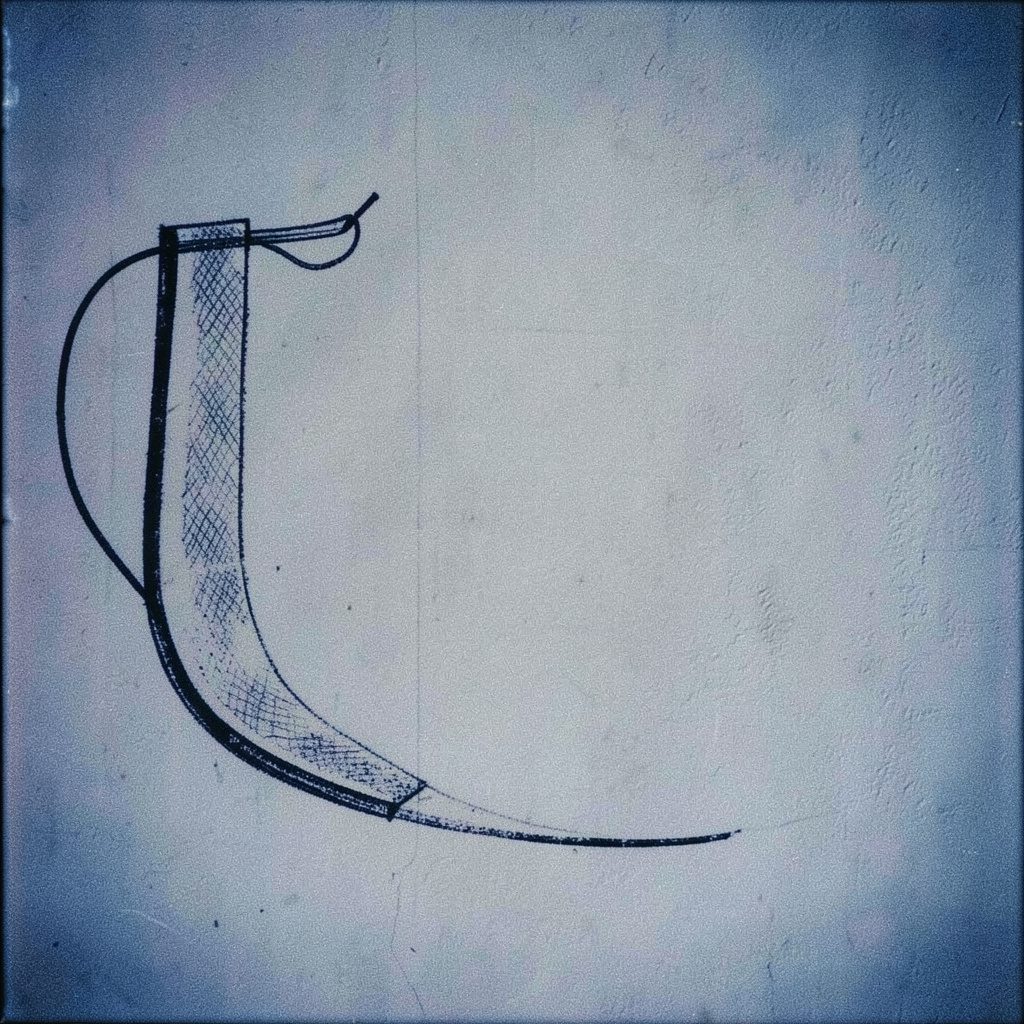
Wall Drawing 1131
Whirls and twirls — a signature LeWitt composition of sweeping curvilinear bands rendered in black on white.
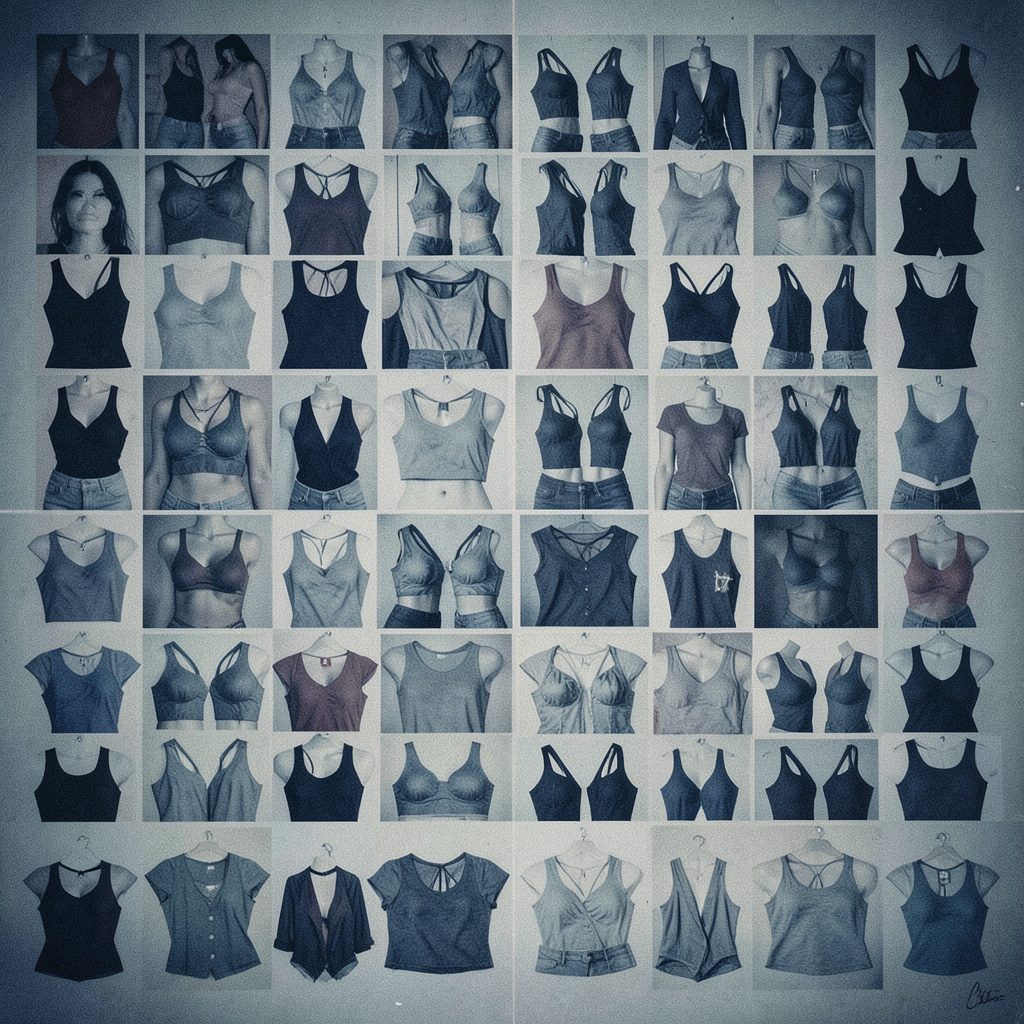
Wall Drawing 50
Lines from points on a grid, demonstrating LeWitt's systematic approach to spatial division.
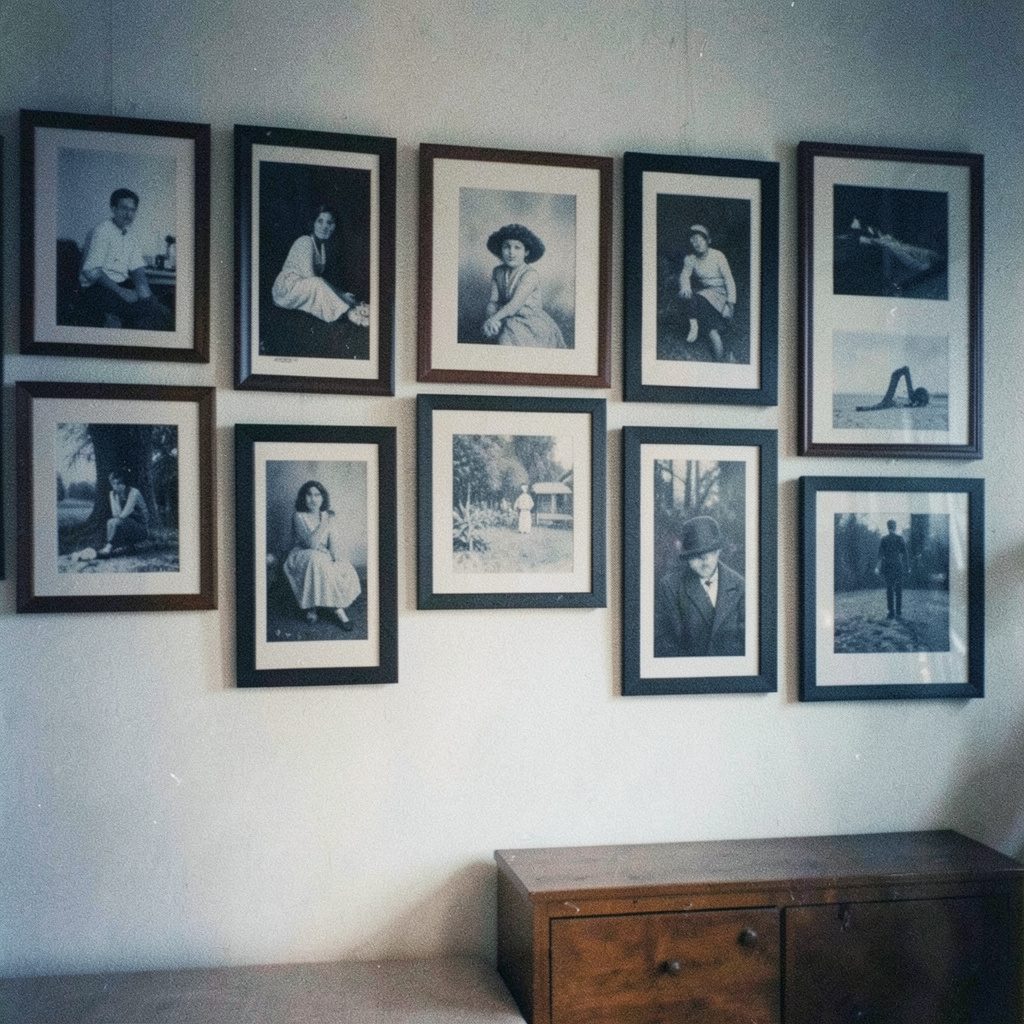
Wall Drawing 792
Black rectangles and squares arranged with mathematical precision across a broad wall plane.
Sol LeWitt Wall Paintings
Beyond his drawings, LeWitt produced wall paintings that apply his conceptual framework to color. These works use layered washes and geometric blocks of pigment applied directly to walls, blurring the line between drawing and painting.
Modern interpretations continue to explore the relationship between instruction-based art and physical execution.
Jim Dine Wall Drawings 1136
This collection also references Jim Dine's Wall Drawings 1136. Dine, a contemporary of LeWitt, brought a more expressionistic sensibility to the wall-drawing format, often incorporating personal iconography and gestural mark-making.
The juxtaposition of LeWitt's conceptual rigor with Dine's expressive approach highlights the breadth of wall-based art in the late 20th century.
The Sol LeWitt wall drawings represent a radical departure from traditional artistic practice, shifting the artist's role from maker to conceptual author. Each work begins as a set of written instructions, which are then executed by others directly onto architectural surfaces. This process-oriented approach means that no two installations of the same drawing are ever identical, as the specific dimensions and character of each wall influence the final outcome. The collection documented here includes numbered works spanning multiple decades of LeWitt's career, offering insight into his evolving geometric vocabulary and his enduring fascination with line, color, and the relationship between idea and execution.
The wall drawings are organized by their numerical designations, a system LeWitt employed throughout his career to catalogue his conceptual output. These numbers do not indicate chronology alone but rather function as a taxonomic framework for his ideas. The works range from simple pencil lines to complex arrangements of colored forms, yet all adhere to the artist's belief that the concept behind the work is paramount. Contemporary interpretations and related works by other artists are also included in this collection, demonstrating how LeWitt's instructional methodology has influenced subsequent generations of artists working at the intersection of minimalism and conceptual art.
Beyond the wall drawings themselves, this collection features related paintings and works on paper that contextualize LeWitt's practice within the broader movements of minimalism and conceptual art. The inclusion of works by artists such as Jim Dine highlights the dialogue between LeWitt's systematic approach and other contemporary practices. Each piece in the collection is documented with attention to its material qualities and the specific conditions of its creation. The result is a comprehensive survey that allows viewers to trace the development of LeWitt's ideas across different media and through collaborations with the various hands that have brought his instructions to life.
Modern Interpretations
Contemporary artists and institutions continue to realize LeWitt's wall drawings worldwide. Each execution follows the artist's original certificates and diagrams, yet the hand of the draftsperson and the character of the wall surface ensure no two installations are identical.
Instruction-Based Art
The legacy of LeWitt's wall drawings in contemporary conceptual practice.
Gallery Installations
How museums and collectors bring LeWitt's instructions to life in new spaces.
Conservation & Documentation
Preserving ephemeral wall works for future study and appreciation.